
Videos
Pluto Turns Direct: Reclaim Your Power
Pluto turns direct as this week’s astrology explores hidden truths, personal power, and...


It’s amazing how a simple whiff of rosemary can stir something inside you. Maybe it’s a memory, a sudden calm, or just the comfort of something natural. For thousands of years, this humble herb has been more than a kitchen staple. It’s been a medicine, a ritual, a healer. And today, it still has so much to offer—if you’re willing to slow down and listen to what this ancient plant has to say.

Coffee is more than just a morning pick-me-up—it’s a powerful stimulant that can interact with medications you may rely on. From thyroid pills to antidepressants, your daily brew could be making treatments less effective or increasing side-effects. Understanding coffee's interaction with medication is essential for your health. Discover what to avoid and how to keep both your meds and your caffeine fix working in harmony.
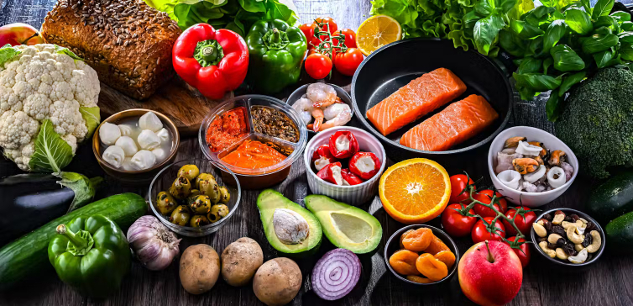
Want to lose weight without drugs like Ozempic? Science shows that fiber, monounsaturated fats, and even food timing can boost GLP-1—a natural hunger-suppressing hormone. From eating slowly to making breakfast count, this guide outlines strategic, food-based methods for weight loss that work with your biology, not against it. The best part? No prescriptions required—just smart choices rooted in proven nutrition.

Artificial sweeteners promise all the sweet pleasure of sugar without the guilt. But are they a health miracle—or a ticking time bomb hidden in your morning coffee? As sugar substitutes continue to invade everything from diet sodas to "health" bars, it's time we took a hard look at the real story behind artificial sweeteners. Because sometimes, the things we trust most quietly betray us.

We’ve been told for decades that “you are what you eat.” But what if your immune system doesn’t care what’s on your plate—only what your brain thinks is? New research from the University of Manchester uncovers a shocking twist in the brain-body relationship: it’s not the food, it’s the feeling of hunger that tells your immune system how to behave. Welcome to the era of brain-controlled immunity.

Imagine pouring a glass of wine after a long day. Maybe it’s a celebration, or perhaps it's a quiet ritual you share with yourself. A little reward, a calming sip, a toast to life’s ups and downs. But what if that very glass, that very sip, held more than relaxation? What if it carried an invisible risk—one that rarely makes headlines but quietly affects your well-being in ways you haven’t been told?

Is breakfast really the most important meal of the day—or just a marketing slogan we’ve swallowed without question? You’ve probably asked yourself whether eating three meals a day is necessary. Maybe you’ve tried skipping breakfast or eating five tiny meals, wondering which rhythm your body was meant to follow. The answer, it turns out, may be simpler and more personal than we’ve been led to believe.

Milk is marketed as healthy—but is it right for your body? From acne to cancer risk, lactose intolerance to gene variants, discover what dairy might really be doing to your body.
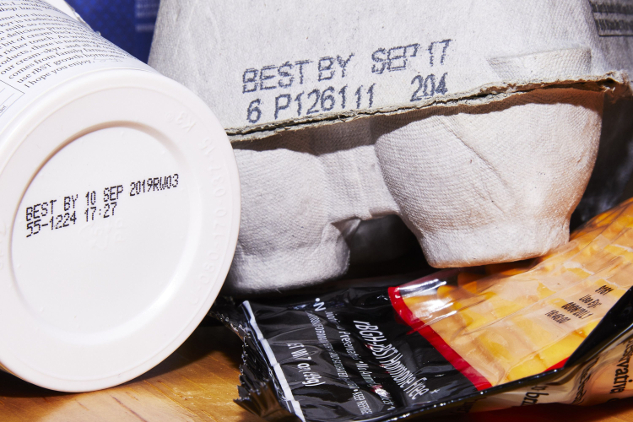
You open the fridge, reach for the yogurt, and notice the dreaded date stamped on the lid: yesterday. Or maybe it’s a can of soup that’s been sitting in your pantry for a year past the “Best Before” date. Your instincts kick in—should you eat it or toss it? Every year, people throw away billions of dollars worth of food based on dates that often have little to do with safety. But what do these labels really mean, and how can you tell if expired food is still good? Let’s break through the confusion and get to the truth.
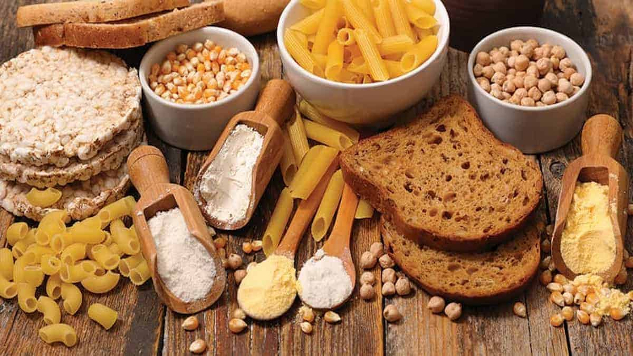
Have you ever found yourself standing in a grocery aisle, staring at the shelves of gluten-free products, wondering if you should make the switch? You wouldn’t be alone. In recent years, gluten-free diets have surged in popularity, often touted as a healthier alternative. But is that really the case? Are gluten-free foods truly better for you, or is this just another trend driven by clever marketing? Let's unravel the truth.

Plant fiber plays a crucial role in digestion, heart health, and disease prevention. High fiber foods like legumes, whole grains, and vegetables provide essential nutrients for a healthy gut and balanced metabolism. Discover the benefits of plant fiber and how to incorporate it into your daily meals for long-term wellness.

Artificial sweeteners are marketed as healthier alternatives to sugar, but research reveals their hidden dangers. From increasing insulin resistance and metabolic syndrome to accelerating skin aging through glycation, these substitutes can do more harm than good. This article explores the connection between artificial sweeteners and health, the impact of sugar and aging effects, and the role of gut microbiomes in metabolic diseases. Learn how to make healthier choices for long-term wellness.

Ultr-aprocessed food dangers and FPro food rating flaws are more than buzzwords—they're shaping what’s on your plate. Learn why these foods are so addictive and how to fight back.

Discover the spiritual and healing powers of pine trees, from traditional remedies to connecting with ancestors. Explore how evergreen wisdom fosters healing and community.

Omega-3 fatty acids are essential for reducing the risk of preterm birth, but most prenatal supplements fall short. Learn how to ensure adequate intake for pregnancy health.

The Portfolio Diet is your guide to heart-healthy eating and total wellness. Packed with benefits like cholesterol reduction, weight management, and anti-inflammatory properties, this flexible approach combines plant-based proteins, viscous fiber, and healthy oils. Learn how to integrate its powerful components into your meals and discover why it's being hailed as a step beyond the Mediterranean diet.

Are highly processed foods addictive? Research shows their composition triggers cravings, compulsion, and reinforcement. Learn how they impact health and society.

Learn how healing your nervous system can transform your relationship with food. Discover effective strategies rooted in polyvagal theory to improve your well-being.

Omega-3 and omega-6 fatty acids may hold keys to reducing cancer risk. Learn about the research behind these essential nutrients and how they might protect against certain cancers.

Discover how to stop your mind from bullying your body and achieve harmony through mindful practices, nutrition, and a deeper understanding of the mind-body connection.

Shamanism has long used plants for both healing and inducing shifts in consciousness. This article delves into the deep connection between plants and spiritual transformation, exploring how shamanic practices utilize plant medicine to guide individuals through profound changes in awareness and well-being. By understanding the role of neurotransmitters and the spiritual significance of plant-based remedies, we can better appreciate the ancient wisdom that underlies shamanic healing traditions.
Pluto turns direct as this week’s astrology explores hidden truths, personal power, and...
We now emerge somewhat disheveled, but hopefully wiser, from the emotional...

In a world filled with distractions, the concept of 'distracted living' emerges...

A profound shift in human consciousness is underway, moving from an ego-based...

This article delves into the complexities of navigating a Jewish upbringing...

As discussions around objectification in media evolve, the spotlight now shifts to male...

Suppressing originality can stifle vitality and initiative, as shown by...