
In This Article
- Why does a hangover actually happen in your body?
- What are the most effective hydration strategies for hangover recovery?
- Which foods genuinely help and which ones make things worse?
- Do popular hangover remedies like coffee or greasy food actually work?
- How can sleep, movement, and mindset support your recovery?
Getting out of bed for water can wait another minute. At least, that’s what you tell yourself until the dry mouth gets you up. Your head is pounding, and now your phone wants attention. Last night’s drinks seemed like a better idea last night. You’d happily give a few of them back this morning.
There isn’t a way to do that, but you can make yourself more comfortable while you recover. Start there. You can think about what you might do differently next time without spending the whole morning telling yourself what an idiot you were.
Why You Feel So Rough
All those trips to the bathroom last night cost you some water. Normally, a hormone tells your kidneys how much fluid to hold on to. Alcohol gets in the way of that signal, and more water leaves in your urine. Come morning, you’re thirsty. The fluid you’ve lost may account for some of the headache as well.
Your stomach has had a rough night, too. Alcohol irritates its lining and increases acid production. It also promotes inflammation. Put those effects together with disturbed sleep, and you have several reasons to feel unwell before you even try to eat breakfast.
Eight hours in bed can be misleading. You may have fallen asleep quickly, then slept fitfully or woken earlier than usual. Having enough hours on the clock doesn’t mean you got a decent night’s rest.
Keep some water within reach and take small sips. If your stomach is unsettled, drinking a large amount at once may be harder to tolerate. There’s no prize for finishing the bottle quickly.
You can have broth, coconut water, or an electrolyte drink if you prefer. But don’t assume you need to replace a particular list of minerals because you have a hangover. Extra electrolytes haven’t been shown to reliably reduce its severity. Water is a reasonable place to start, though it won’t fix every reason you feel ill.
What Can You Face Eating?
If you can manage a cracker or two, start there. You can come back for more when the thought of breakfast seems less unpleasant. There’s toast, or perhaps some plain rice if that appeals to you. Drinking on an empty stomach can bring your blood sugar down, so missing dinner last night may be part of why you feel rough. We can’t tell from the hangover alone, though.

If eggs appeal to you, have eggs. Just be careful about the claim that their cysteine content makes them a hangover treatment. An explanation involving an amino acid and alcohol breakdown isn’t the same as evidence that eating eggs will make you recover faster.
Bananas and avocados provide potassium and can be part of breakfast. You needn’t force either down if the thought makes you queasy. Ginger tea may be pleasant to sip, but it shouldn’t be presented as a proven hangover treatment. Choosing something you can comfortably eat or drink is useful enough for now.
A greasy breakfast has plenty of loyal supporters. Perhaps it’s what you always eat after a late night, and perhaps you enjoy it. That doesn’t mean the grease is soaking up last night’s alcohol. Food eaten before or during drinking can slow absorption; breakfast the next morning cannot go back and do that job.
If rich, spicy, or acidic food makes your stomach feel worse, leave it for another day. A plain breakfast may look disappointing beside the one you had in mind. You can eat more later when you’re ready.
Coffee deserves a little less blame and a little less faith. An ordinary serving does not usually cause a net loss of fluid, despite caffeine’s mild diuretic effect. Still, it may aggravate a queasy stomach or make you feel more jittery. Feeling more awake after a cup also doesn’t mean you’ve recovered.
And another alcoholic drink? It may briefly ease some symptoms, which helps explain the appeal of “hair of the dog.” It can also prolong the trouble. There will still be alcohol for your body to process when that temporary relief wears off.
Before You Buy a Supplement
When you feel this bad, a bottle promising relief can be tempting. You may have seen B vitamins, vitamin C, milk thistle, and NAC recommended for the morning after. Before you buy them, it’s worth asking what those recommendations are based on.
A nutrient can have an essential job in the body without an extra dose curing a hangover. Correcting a diagnosed deficiency is a separate matter. Likewise, describing a substance as an antioxidant tells you something about what it does, but doesn’t tell you whether taking it this morning will relieve your headache or nausea.
Milk thistle’s long history of use doesn’t settle the question either. Nor does NAC’s role in supporting glutathione production establish it as a reliable hangover remedy. Before spending money, look for evidence that the treatment actually improved symptoms in people.
So far, studies of natural hangover remedies haven’t given us much to rely on. Before trying one, tell a pharmacist or your healthcare provider what you plan to take and which medicines you already use. You need to know whether that particular supplement poses a risk or could interfere with your medication.
Let Yourself Rest
If you can go back to bed, you don’t need to find a more impressive recovery plan. A quiet morning and some more sleep may be what you can manage.
Later, you might feel like taking a short walk. Keep it easy and wait until you’re steady on your feet. You don’t have to exercise to earn the right to rest, and a walk shouldn’t be presented as a way to clear alcohol faster. If you’d rather sit outside for a few minutes, that is an option too.
When the Worry Arrives
What exactly did you say last night? You go over the conversation again, trying to remember whether anyone seemed offended. Perhaps you can’t point to anything that went wrong. You’re worried anyway, and by now that worry is bothering you more than your head.
People often call this “hangxiety.” As alcohol’s calming effects wear off, you can feel restless or anxious. Poor sleep gives you little help putting those feelings in perspective.
If there’s something you need to put right, you can deal with it. But you don’t have to treat every anxious thought this morning as an accurate account of last night. Give yourself a chance to feel better before making sweeping judgments about who you are.
Keep the water nearby. When you feel able to eat, have something, and allow yourself more rest if you need it. You’ll usually feel better as time passes, although a hangover can hang on for more than 24 hours. There’s time to think about how much you drank and whether you want another morning like this. Being sorry about last night is no reason to deny yourself some care today.
About the Author
Beth McDaniel is an ai staff writer for InnerSelf.com. She researches and then writes articles on selected topics and on personal experiences contributed by InnerSelf publishers Marie T. Russell and Robert Jennings.
Recommended Books
This Naked Mind: Control Alcohol, Find Freedom, Discover Happiness and Change Your Life by Annie Grace — A compassionate and science-backed look at the relationship between the mind and alcohol consumption.
The Alcohol Experiment: A 30-Day, Alcohol-Free Challenge to Interrupt Your Habits and Help You Take Control by Annie Grace — A practical, guided program that helps readers examine and reset their drinking habits without shame.
Quit Like a Woman: The Radical Choice to Not Drink in a Culture Obsessed with Alcohol by Holly Whitaker — A bold and empowering exploration of sobriety, wellness, and reclaiming your health on your own terms.
Article Recap
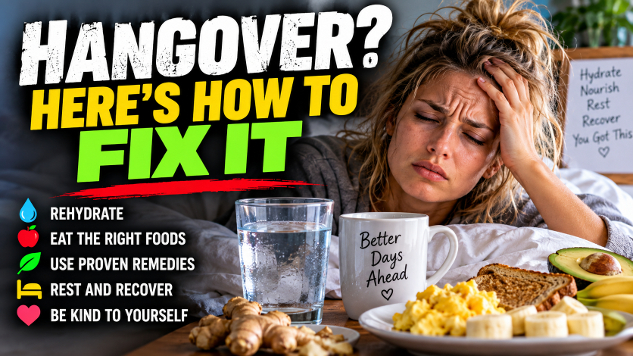
The best cures for a hangover center on restoring what alcohol depletes, including water, electrolytes, blood sugar, B vitamins, and restful sleep, rather than chasing quick fixes that do not address the underlying physiology. Natural hangover remedies like ginger tea, eggs, coconut water, and gentle movement work with your body's recovery process instead of against it. If you are looking for how to recover from a hangover fast, the most honest answer is to hydrate consistently, eat supportively, rest when you need to, and extend yourself the same patience you would offer anyone else going through something uncomfortable.
#HangoverCures #HangoverRecovery #NaturalRemedies #HangoverRemedies #WellnessTips #AlcoholRecovery #HydrationTips #MorningAfter #SelfCare #Hangxiety